
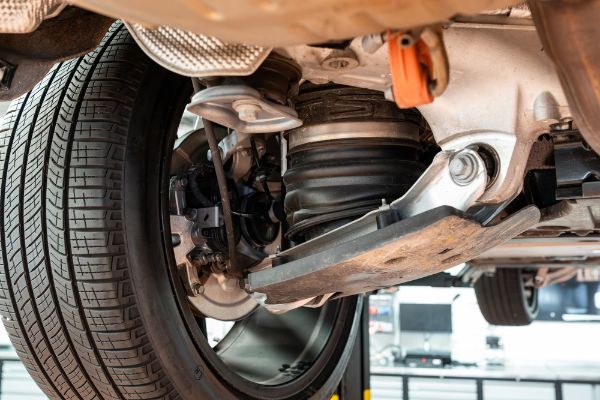
Your vehicle's suspension system plays an important role in maintaining a smooth ride, stable handling, and proper control while driving. It consists of several components that work together to absorb road impacts, support vehicle weight, and help keep your tires in contact with the road.
Over time, suspension components experience wear from everyday driving, rough roads, potholes, and changing road conditions. When these components become worn or damaged, you may notice changes in how your vehicle handles, rides, or responds to steering.
Recognizing the warning signs of suspension problems early can help prevent additional damage, improve driving comfort, and maintain vehicle safety. Whether you're experiencing unusual noises, uneven tire wear, or difficulty controlling your vehicle, understanding when to seek professional suspension repair is essential.
Common Signs Your Vehicle Needs Suspension Repair
Suspension problems don't always happen suddenly. In many cases, worn or damaged components gradually affect your vehicle's handling and ride quality.
Here are some common warning signs that your suspension system may need professional attention.
1. Excessive Bouncing After Hitting Bumps
Your vehicle's shocks and struts help absorb impacts from uneven road surfaces, allowing your tires to maintain contact with the road.
If your vehicle continues bouncing after driving over a bump, pothole, or uneven surface, your shocks or struts may be worn or damaged.
Other symptoms can include:
- Excessive bouncing when driving over rough roads
- A vehicle that feels unstable after hitting bumps
- Increased body movement when accelerating or braking
- Reduced control when driving over uneven surfaces
Worn shocks and struts can affect more than ride comfort. They can also compromise handling, braking performance, and tire contact with the road.
2. Unusual Clunking, Knocking, or Squeaking Noises
Unusual noises coming from underneath your vehicle can indicate worn or damaged suspension components.
Depending on the source of the problem, you may hear:
- Clunking: Often associated with worn ball joints, control arm bushings, or loose suspension hardware.
- Knocking: May indicate worn suspension components or problems with mounting hardware.
- Squeaking: Can occur when rubber bushings deteriorate or suspension components experience excessive friction.
- Rattling: May suggest loose or damaged components within the suspension assembly.
These noises may become more noticeable when driving over bumps, turning, or traveling at lower speeds.
A professional suspension inspection can help identify the source of the noise and determine which components need attention.
3. Uneven or Premature Tire Wear
Your suspension system helps maintain proper tire contact with the road. When suspension components become worn or damaged, your tires may no longer maintain consistent contact or alignment.
This can result in uneven tire wear, including:
- Excessive wear along the inside or outside edges
- Cupping or scalloped wear patterns
- Uneven wear between tires
- Premature tire deterioration
Although alignment problems can also cause uneven tire wear, worn suspension components may contribute to alignment changes or prevent proper alignment adjustments.
If you notice unusual tire wear, have your suspension and alignment inspected before replacing your tires.
4. Difficulty Steering or Maintaining Control
Your vehicle's suspension and steering systems work together to provide stability and control.
If you notice that your vehicle wanders, drifts, or feels unstable while driving, there may be a problem with one or more suspension or steering components.
Potential causes include:
- Worn tie rod ends
- Damaged ball joints
- Deteriorated control arm bushings
- Worn shocks or struts
- Loose or damaged suspension components
Difficulty maintaining a straight driving path or unusual steering behavior should never be ignored. These symptoms can affect vehicle control and may indicate a safety-related mechanical issue.
5. Excessive Vehicle Leaning or Body Roll
Have you noticed your vehicle leaning excessively when turning or shifting its weight during acceleration and braking?
Some body movement is normal, but excessive leaning or rolling may indicate worn suspension components.
Potential causes include worn shocks, struts, or stabilizer bar links. Damaged springs can also affect how your vehicle supports its weight.
A suspension system that isn't functioning properly can make cornering less predictable and reduce overall driving stability.
6. Your Vehicle Sits Unevenly
If one corner of your vehicle appears lower than the others, you may have a problem with your suspension springs or related components.
Coil springs and other suspension components help support your vehicle's weight and maintain proper ride height.
Common causes of uneven vehicle height include:
- Broken or weakened coil springs
- Damaged suspension mounts
- Worn or deteriorated spring components
- Unevenly loaded suspension components
An uneven ride height can affect handling, tire wear, and suspension geometry. A professional inspection can help determine whether a spring or another suspension component needs replacement.
What Causes Suspension Problems?
Your vehicle's suspension system is exposed to constant movement, pressure, and road impacts. While normal wear is unavoidable, several factors can accelerate suspension deterioration.
Rough Road Conditions: Potholes, gravel roads, uneven pavement, and repeated impacts can place additional stress on shocks, struts, springs, and other suspension components.
Normal Wear and Tear: Suspension components gradually deteriorate through everyday driving. Rubber bushings can crack, ball joints can wear, and shocks and struts can lose their ability to absorb impacts effectively.
Corrosion and Environmental Exposure: Moisture, road salt, and other environmental contaminants can contribute to corrosion and deterioration of metal suspension components.
Heavy Loads: Frequently carrying excessive weight or towing heavy loads can place additional stress on suspension components, potentially accelerating wear.
Lack of Routine Maintenance: Ignoring unusual noises, handling changes, and uneven tire wear can allow smaller suspension problems to develop into more extensive mechanical repairs.
Understanding these contributing factors can help vehicle owners recognize the importance of routine suspension inspections.
What Are the Main Components of a Vehicle's Suspension System?
Your suspension system consists of several interconnected components. Each serves a specific purpose in maintaining ride quality, stability, and vehicle control.
Some of the primary suspension components include:
- Shocks and Struts: Help absorb road impacts and control excessive vehicle movement.
- Coil Springs: Support vehicle weight and help maintain proper ride height.
- Control Arms: Connect suspension components to the vehicle frame or body while allowing controlled movement.
- Ball Joints: Provide pivot points that allow suspension and steering components to move together.
- Bushings: Reduce vibration, absorb movement, and help prevent metal components from making direct contact.
- Stabilizer Bars: Help reduce body roll during cornering and improve vehicle stability.
Because these components work together, damage or wear in one area can affect the performance of the entire suspension system.
Can Suspension Problems Be Prevented?
Although suspension components naturally wear over time, proper maintenance and early repairs can help extend their lifespan and maintain vehicle performance.
Consider these preventative maintenance practices:
- Schedule Routine Suspension Inspections: Have shocks, struts, springs, bushings, and other components checked during regular maintenance visits.
- Avoid Potholes When Possible: Reduce speed and avoid road hazards whenever it is safe to do so.
- Monitor Tire Wear: Uneven tire wear can indicate developing suspension or alignment problems.
- Address Unusual Noises: Clunking, knocking, and squeaking sounds may indicate worn or damaged components.
- Avoid Overloading Your Vehicle: Follow the manufacturer's recommended weight limits to reduce unnecessary stress on the suspension system.
- Maintain Proper Tire Pressure: Correct tire inflation helps support proper vehicle handling and reduces unnecessary stress on tires and suspension components.
Taking these steps can help identify developing issues before they affect other vehicle systems.
When Should You Schedule Professional Suspension Repair?
Suspension problems can affect more than driving comfort. Worn or damaged components may compromise steering response, vehicle stability, tire wear, and overall driving safety.
If your vehicle bounces excessively, makes unusual noises, pulls to one side, or experiences uneven tire wear, it's important to have the suspension system professionally inspected.
A qualified auto repair technician can evaluate suspension components, identify worn or damaged parts, and recommend the appropriate repairs.
Depending on the inspection findings, suspension repair may involve replacing shocks or struts, repairing control arms, replacing ball joints, servicing stabilizer bar components, or addressing damaged springs and bushings.
If your vehicle experiences sudden handling changes, severe instability, or a broken suspension component, avoid driving until it has been inspected by a professional.
Protect Your Vehicle with Professional Suspension Repair
Your suspension system plays a major role in maintaining vehicle stability, handling, and ride quality. Recognizing the warning signs of suspension problems and addressing them promptly can help prevent additional wear and maintain a safer driving experience.
Whether your vehicle needs new shocks and struts, control arm repairs, ball joint replacement, or a complete suspension inspection, professional service at Leale's in San Jose can help identify the problem and restore proper suspension performance.
Don't let worn suspension components compromise your vehicle's handling or reliability. Contact our team at (408) 286-5350 today to schedule a suspension inspection and get the professional suspension repair services your vehicle needs.