
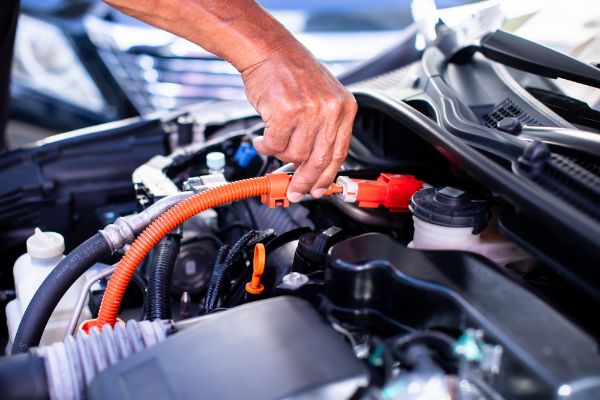
Plug-in hybrid service is essential for vehicles that combine electric power with a traditional engine to maintain efficiency and performance. Because these systems work together, proper maintenance ensures everything operates smoothly. When a plug-in hybrid begins to experience issues, it often provides early warning signs that should not be ignored. Recognizing these signs helps drivers stay informed and ensures their vehicle continues performing as intended.
Reduced Electric Driving Range
One of the most noticeable warning signs is a decrease in electric driving range. If the vehicle no longer travels as far on electric power as it once did, it may indicate an issue within the battery system or supporting components. Changes in range can happen gradually, making regular monitoring important for plug-in hybrid owners.
A professional plug-in hybrid service inspection can help identify factors affecting electric performance and system efficiency.
Dashboard Warning Indicators
Plug-in hybrids rely on advanced monitoring systems to track both electric and engine-related components. When a warning indicator appears on the dashboard, it signals that the system has detected something outside normal operating conditions. These alerts should always be taken seriously, even if the vehicle still seems to operate normally.
Addressing warning indicators early helps maintain system reliability and prevents small concerns from affecting overall performance.
Changes in Performance or Operation
If a plug-in hybrid feels less responsive, switches between power sources more frequently than usual, or operates inconsistently, it may be time for service. Smooth transitions between electric and engine power are a key part of proper operation. Noticeable changes in this behavior can indicate the need for inspection.
Professional technicians can evaluate how the systems are communicating and ensure everything is working together as designed.
Charging or Electrical Concerns
Charging issues are another common sign that a plug-in hybrid service may be needed. Difficulty charging, longer-than-normal charge times, or inconsistent charging behavior can point to electrical or system-related concerns. These issues should be evaluated promptly to support safe and reliable operation.
Routine inspections help ensure charging components and electrical connections remain in good condition.
When to Schedule Plug-In Hybrid Service
For drivers in San Jose, paying attention to these warning signs can help maintain long-term reliability. General repair shops with plug-in hybrid experience can perform thorough inspections and system evaluations as part of complete vehicle care.
At Leale's, trained technicians understand the unique needs of plug-in hybrid vehicles and the importance of timely service. A professional inspection can help ensure continued performance and dependable operation.
Schedule a plug-in hybrid inspection today by visiting Leale's Auto Repair and Transmission and let our team help keep your vehicle running smoothly with expert care you can trust.